13 February 2025
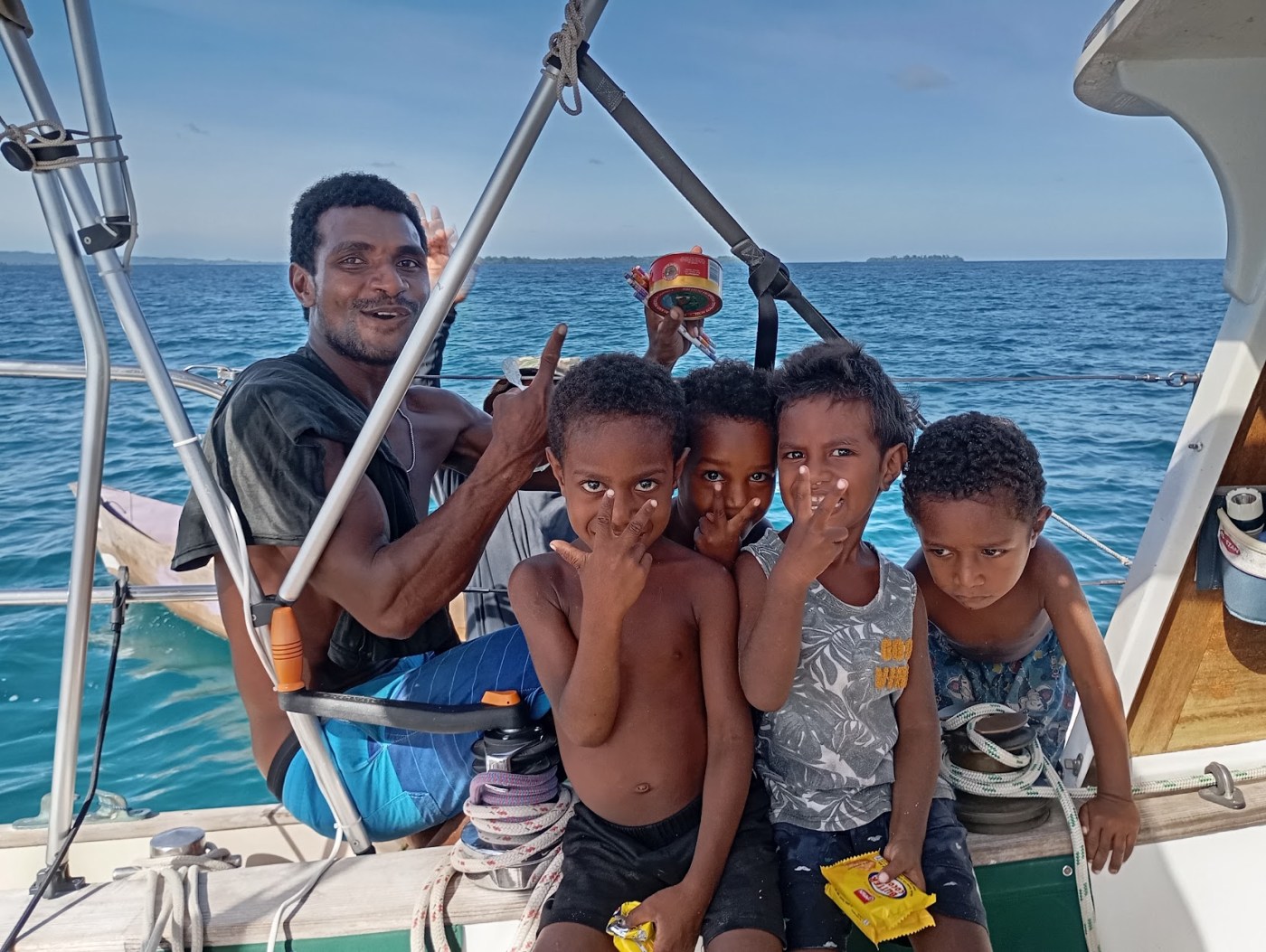
The Ninigo Islands are a magical place, well worth the effort to get here. Unfortunately, the slow progress and time spent getting here has eaten away at the days I planned to stay here. This, coupled with the generally blustery and squally weather encountered during my stay has curtailed relaxing trips ashore. I am always concerned about leaving Truce unattended when the weather is unsettled.
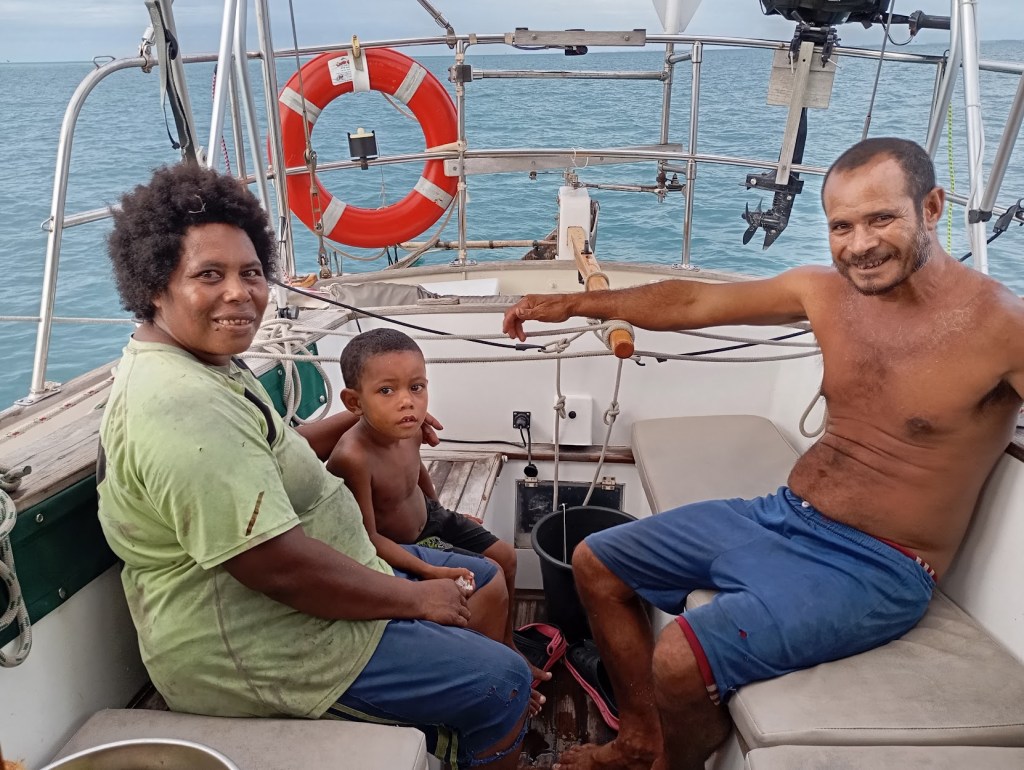
But, it is fair to say that the Ninigo islands have been the highlight of my cruise so far. The people are hardy and self sufficient, at one with their environment, using the land and sea to provide their daily needs. Travel between the islands is carried out by sailing canoes which are skillfully handled and very fast. Supplies from Manaus appear to be infrequent with the supply vessel seeming to struggle to get past the Hermit islands to the east.
I would have liked to stay longer but the need to keep moving is unrelenting. The day of departure turned out to be flat calm and I ended up motoring for hours to clear the islands before a breeze set in and I was on my way to the Hermit Group of islands.

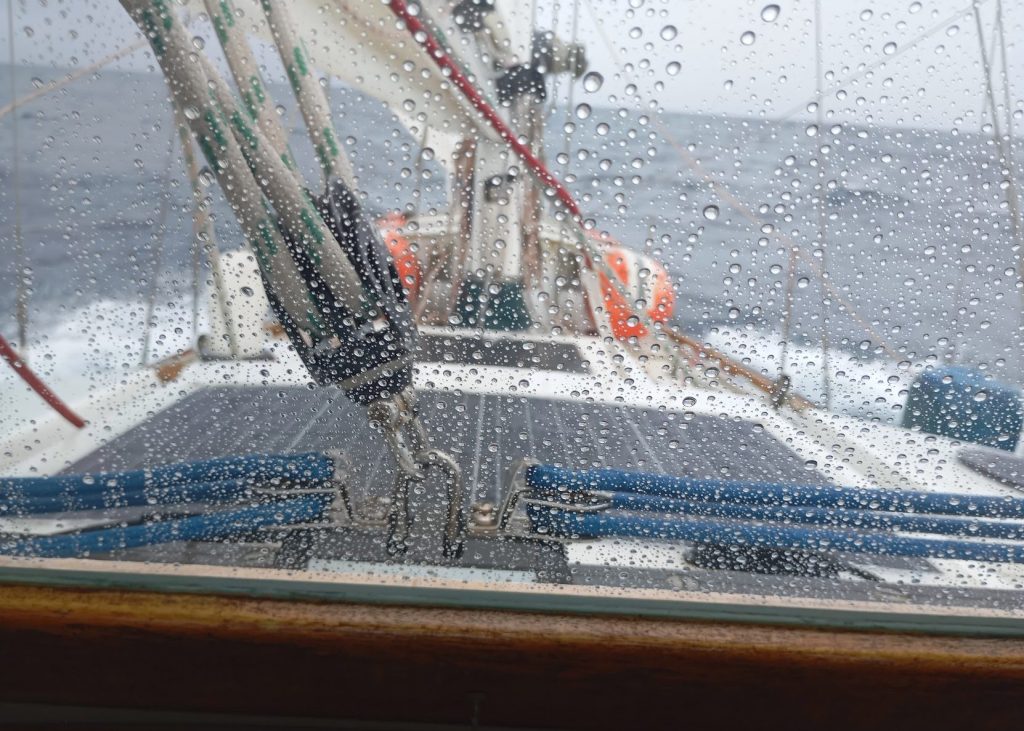
The overnight sail to the Hermits was beautiful, clear skies, millions of stars and a steady light breeze pushing us along nicely over calm seas. The next morning we entered the lagoon surrounding the Hermits and lost the wind in the lee of the islands. On went the motor and soon we were safely anchored. Then the weather turned nasty again with rain squalls and a nasty chop bouncing us around. The entry in the log book reads “A shitty windy and wet day”. That was it, no canoes came to visit, no fresh fruit to trade and no shore leave for the Truce crew.

The following day the horrid weather continued and I decided to clear out. I departed the Hermits without setting foot ashore or meeting any of the locals. I was happy to be on the way again. There is nothing more disheartening than sitting on board the boat at anchor unable to get ashore due to nasty weather, might as well be sailing and getting somewhere.
The first day out of the hermits we made slow but steady progress in light winds with the occasional squall passing through. The second day saw us back to battling easterly winds and an adverse current with frequent squalls again. In the afternoon a ship, the MV Paganella, passed close by. I called them on VHF radio and asked if they would send an email to Ngozi for me. It had been many days since our last contact and I just wanted to let her know I was OK. The Paganella sent the message and I am very grateful, thank you.
Another day of long tacking followed, this was becoming exhausting, fighting the wind and current with squalls and calms thrown in as further torture. In the evening I saw something I have never seen before, a rainbow by the light of the moon, its called a moonbow or a lunar Rainbow. The rainbow was first noticeable by the lighter arc in the sky. Then the colours of the rainbow could be made out, they were quite faint but definitely there. At night I have minimal light in the cockpit, instruments are either turned off if not in use or the illumination on minimum setting. Most of the time you don’t need the instruments and they just cause light pollution, you can see so much more if your night vision is not reduced by light pollution. I doubt I would have seen the moon rainbow if the instruments had been illuminated.
After two days I had sailed 150 miles in calms, squalls, and an adverse wind only to have made a few miles forward progress. I decided to head down towards the coast of Manaus Island and find an anchorage where at least I could not lose ground and get a rest. Luckily just after sunset as the light was quickly fading I found a sheltered anchorage behind a couple of islands.
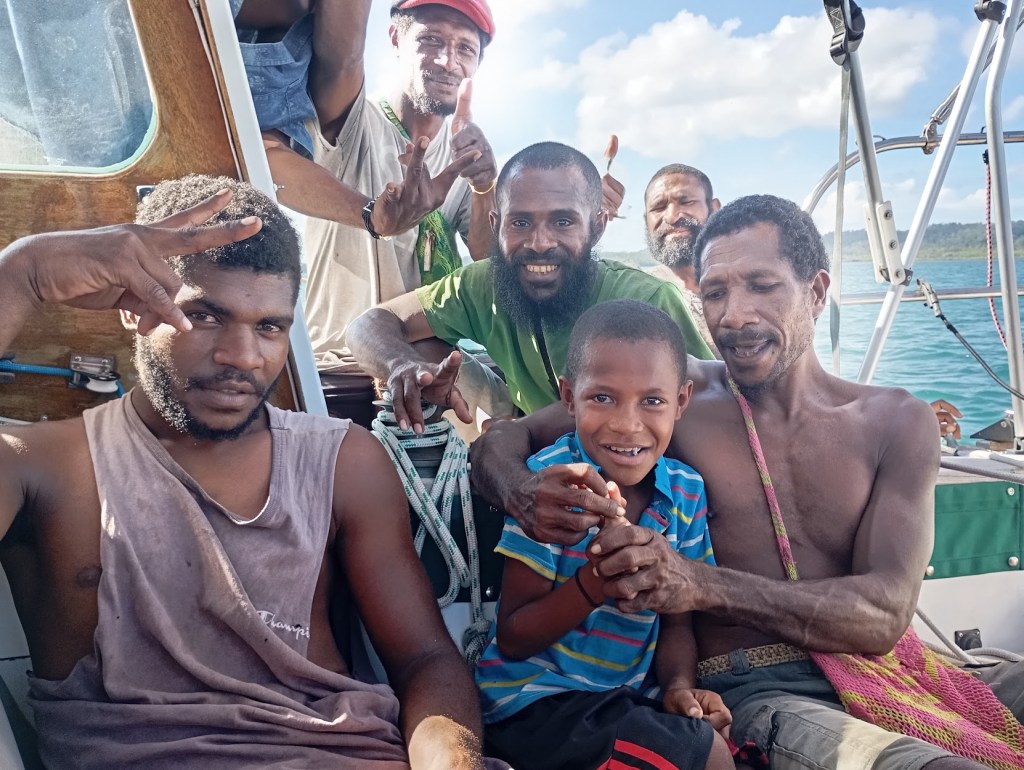
As soon as I had anchored I was surrounded by canoes full of excited and inquisitive locals. They had never seen a sailboat before and were very eager to find out what it was all about. It was now dark and with so many excited people around I thought the situation need to be calmed down a bit. I requested they understand that I was tired and needed a rest. That in the morning I would be happy to meet everybody and tell stories and also engage in some trade for fruit and vegetables. This was all agreed and the villagers returned home with the assurance that I would be safe and they would have somebody watching the boat from ashore.
The night was peaceful and I had a good rest. The following morning I hosted boatloads of locals and we set a few ground rules about visiting. The people were all very respectful, had a genuine interest and a thousand questions to be answered. The villagers live on the islands but their gardens were some distance away on the mainland, so the requested fruit and vegetables didn’t start arriving until the afternoon when we were able to barter goods to everyone’s satisfaction. The Manaus pineapples are the best I have ever tasted.
Another quiet evening followed and I had a good rest. Early the next morning I weighed anchor as the sun rose and departed. I had good relations with the villagers but didn’t want to push my luck as there is often one bad apple amongst the crop.
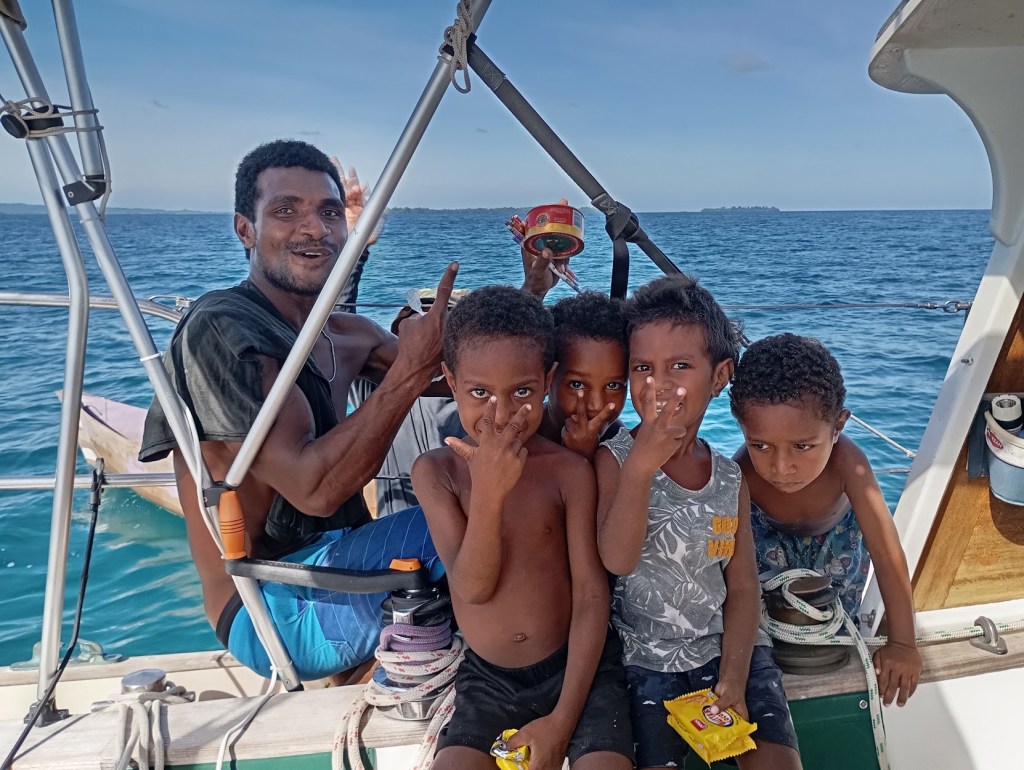
With a favourable breeze I was able to make a few miles along the north of Manaus Island before anchoring again at an almost uninhabited island. A local fisherman cane out with his children to have a look. They don’t see any sailing yachts around here and Truce was a novelty not to be missed.
My plan now is to head along the north coast of Manaus inside the Challenger Reef. It will be motoring but the water should be calm inside the reef.

Discover more from The Adventures of Captain Ray Penson
Subscribe to get the latest posts sent to your email.
 The Adventures of Captain Ray Penson
Leave a comment